Loading...
Serving Lake Charles, LA and surrounding areas. (337) 549-5482
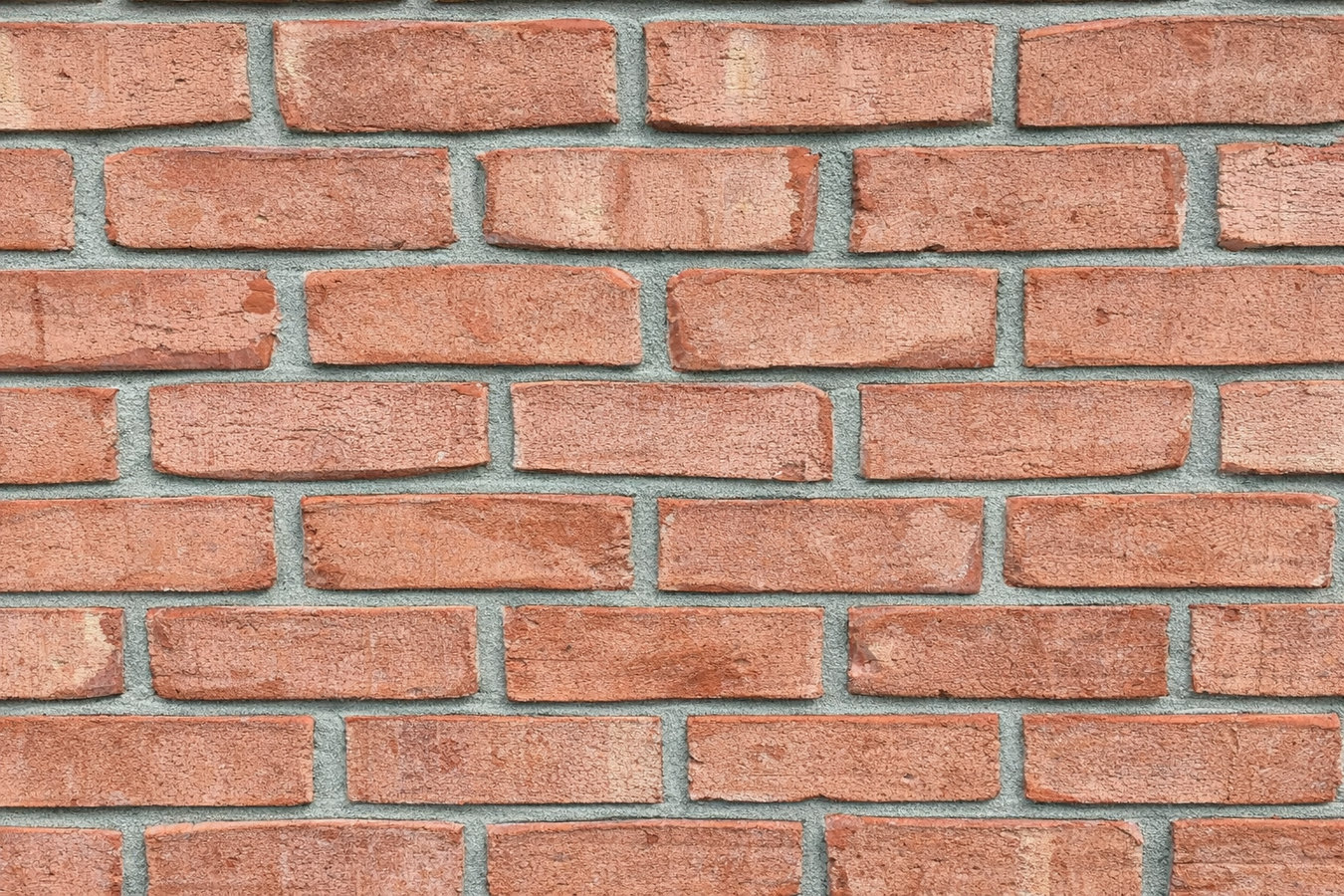
Crumbling mortar joints let water into your walls one rainy season at a time. We remove the failed material, pack in matched mortar, and restore your brick to a solid, weather-tight surface that lasts for decades.
Tuckpointing in Lake Charles means grinding out the old, deteriorated mortar from between your bricks to a consistent depth, then packing in fresh mortar matched to your wall, most jobs covering a chimney or wall section take one to three days.
The mortar between your bricks is not decorative - it holds the masonry together and keeps water out. In Lake Charles, where annual rainfall tops 57 inches and humidity is relentless, mortar breaks down faster than it would in a drier part of the country. Joints that look fine from the street may already be letting water in, especially on homes that went through the 2020 hurricane season without a masonry inspection since.
In many cases, the mortar joints are the only issue - but sometimes the brick faces themselves have started to spall or crack. When that happens, we will let you know if the scope needs to expand to include brick repair alongside the mortar work. We assess the full picture before recommending anything.
Run your eye along the mortar joints on your exterior walls or chimney. If you see lines that look hollow, cracked, or like the material is flaking away, that is mortar failure. You should not be able to push a key into the joint - if you can, the mortar has lost its strength and water is already getting in.
That powdery residue on your brick is called efflorescence - it is the mineral salt left behind when water moves through the masonry and evaporates on the surface. In Lake Charles, where rain is frequent and humidity is high, this staining is a reliable early warning that water is moving through your joints in ways it should not be.
After major storms like Laura or Delta, wind-driven rain can force water into joints that looked fine before the storm. The damage is not always visible right away - it can show up months later as interior moisture or accelerated mortar crumbling. If your home has not had a masonry inspection since the last major storm, that inspection is overdue.
If you see water stains or damp spots on interior walls that share a surface with exterior brick, failed mortar joints are a likely cause. Water is finding a path through the wall, and the entry point is almost always a compromised joint. This is a sign the problem has already moved past the surface and needs prompt attention.
Our tuckpointing work covers exterior walls, chimneys, retaining walls, and any brick or stone masonry where the mortar joints have deteriorated. We cut out the old mortar to a consistent depth - typically three-quarters of an inch - pack in fresh mortar by hand, and tool the joints to match the original profile. For homes with older or softer brick, we assess the existing mortar before mixing anything new, because using the wrong hardness can damage the brick faces themselves over time. When the mortar joints are sound but individual bricks are damaged, we can also handle brick pointing for precision finish work on details like arches and sills.
We work on full exterior walls, chimneys, garden walls, and commercial masonry as well as residential. Every job gets a written scope so you know exactly what areas will be addressed and what mortar type will be used. For older Lake Charles homes - particularly those in or near historic neighborhoods - we follow National Park Service guidance on mortar matching for historic masonry to protect the brick from well-intentioned but damaging repairs.
Ideal for chimneys whose mortar has eroded faster than the rest of the house - chimneys get more weather exposure than any other part of the structure.
Suited for homes where entire sections of wall show joint deterioration, efflorescence, or storm-related cracking along the mortar lines.
For pre-1950 homes or those in historic neighborhoods where the mortar hardness must be matched to the original soft brick to prevent damage.
Best for homes where only isolated joints or sections have failed and the rest of the wall is still in good shape.
Lake Charles averages around 57 inches of rain per year and sits in one of the most humid regions in the country. That constant moisture works into even small cracks in mortar joints and slowly widens them over time. What might take 20 years to become a serious problem in a drier city can show up in 10 to 12 years here, so Lake Charles homeowners generally need to inspect their brick more frequently than they might expect. The 2020 hurricane season accelerated that timeline for many homes - wind-driven rain forces water into joints at pressures that normal rain does not, and homes that have not been inspected since are likely overdue.
We work throughout the region, including Moss Bluff and Westlake. Older neighborhoods closer to downtown often have homes built with softer original brick that requires more careful mortar matching - using a hard modern mix on those older bricks can cause the brick faces to crack and fall away, which is a far more expensive problem than the mortar repair itself. We assess the brick type and age before we mix anything.
We respond within 1 business day. We ask a few questions about what you have noticed - gaps in the joints, staining, storm history - and schedule a free on-site visit at a time that works for you.
We walk the affected walls and chimney, check how deep the joint damage goes, and assess what type of mortar your brick requires. For older homes, this step is especially important - the wrong mix can cause more damage than the original problem.
You receive a written estimate that spells out what areas will be addressed, how deep the old mortar will be removed, and what mortar type will be used. No cost surprises and no vague line items.
The crew grinds out old mortar, packs in fresh material, and tools the joints to match your wall. Most jobs take one to three days. Fresh mortar needs about 28 days to reach full strength - we walk you through what to avoid in the meantime before we leave.
Get a free written estimate on your tuckpointing job. We respond within 1 business day and never pressure you into a scope larger than what your home actually needs.
(337) 549-5482We assess your existing mortar before mixing a replacement - which is the step that most shortcuts skip. Using the wrong hardness on older brick causes brick face damage that costs far more to fix than the original mortar repair.
We have worked on brick structures throughout southwest Louisiana before and after major storm seasons. We know what wind-driven rain does to mortar joints and how to identify damage that is not obvious from the street.
Louisiana requires masonry contractors to hold a state license before taking on work above a dollar threshold. You can verify our credentials through the Louisiana State Licensing Board for Contractors. Hiring a licensed contractor also means the state has verified insurance requirements are met.
We have roots in the Lake Charles area and work here year-round - not just after storms. That means we are available for follow-up, we stand behind our work, and we are here if you have questions six months after the job is done.
Every tuckpointing job we do gets a written scope, a mortar assessment, and a crew that takes the time to match what was there before. When we leave, your brick should look like it was always that way - not like a repair was made.
When the bricks themselves are cracked, spalled, or missing pieces, brick repair goes beyond the mortar joints to replace and restore the masonry units.
Learn MoreBrick pointing focuses on refreshing and tooling individual joints for precision finish work on chimneys, accent walls, and historic masonry details.
Learn MoreEvery rainy season that passes with failed joints means more water behind your walls. Call us or submit a request today and get a written estimate within 1 business day.