Loading...
Serving Lake Charles, LA and surrounding areas. (337) 549-5482
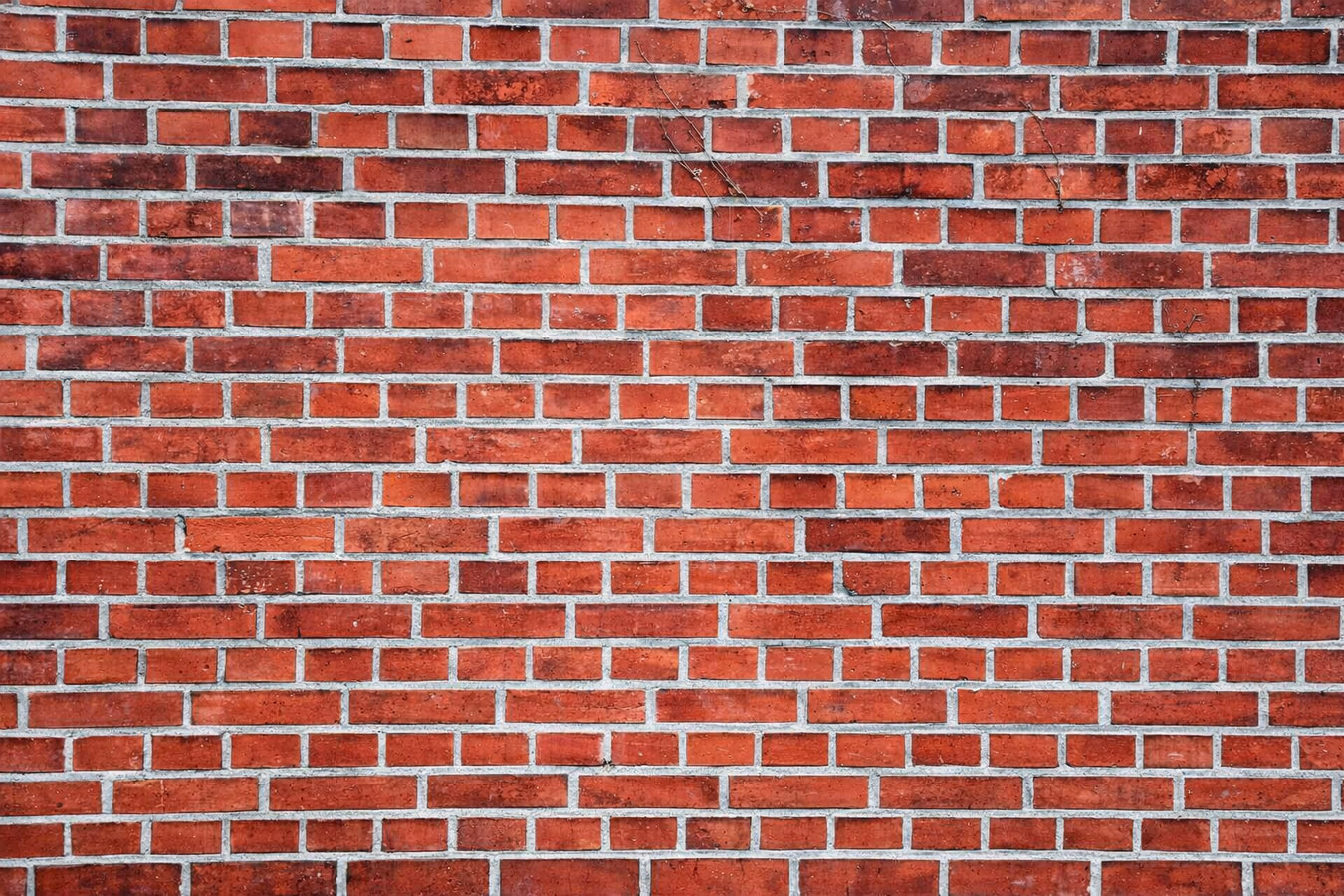
Crumbling or receding mortar joints are one of the most common ways water gets into a brick wall. We remove the old mortar and pack in a fresh mix matched to your bricks and this climate.
Brick pointing in Lake Charles means removing the old, crumbling mortar from between your bricks and replacing it with fresh mortar matched to your brick type and local conditions, most single-wall or chimney jobs take one to three days. The bricks themselves stay in place - only the joints between them are worked on.
In a wet climate like Lake Charles, the mortar joints in a brick wall are doing a lot of work. Mortar is softer than brick by design - it absorbs movement and moisture so the bricks do not crack. Over time, Lake Charles's rain, heat, and humidity wear it down until it crumbles or pulls away from the brick face. Once that seal breaks, water finds its way in, and the damage behind the surface moves faster than most homeowners realize. The right time to address failing mortar is before the water is already inside the wall.
Homes that need pointing work sometimes also benefit from a broader review of the masonry - particularly if there are visible foundation concerns. We can coordinate brick pointing alongside foundation repair when both issues are present, so water does not continue getting in while the deeper structural work is being addressed.
Stand back from your wall and look at the lines between the bricks. If those lines look recessed, sandy, or have small chunks missing, the mortar is failing. In Lake Charles's wet climate, even a small gap is an open door for water - and moisture damage inside a brick wall moves fast once it starts.
Those chalky white streaks on brick walls are called efflorescence - mineral salt pushed out by water moving through the wall. It is a reliable sign that water is getting in somewhere, and failing mortar joints are the most common culprit. If you are seeing this after a rainy season or following a tropical storm, it is worth having the joints inspected.
If your home is in a neighborhood like Charpentier or Broadmoor and is more than 30 years old, the mortar joints may have been stressed by Hurricanes Laura and Delta even if no obvious damage is visible from the street. Wind-driven rain at hurricane speeds can penetrate joints that look intact under normal conditions. A professional inspection after those events is overdue for many homes in the area.
If a wall inside your home feels damp, shows water stains, or has paint bubbling near an exterior brick surface, water is almost certainly getting through the masonry. Failing mortar joints are one of the most common entry points. Catching this early - before the water reaches framing or insulation - is far less expensive than waiting.
We provide brick pointing and repointing for exterior walls, chimneys, garden walls, and other brick structures across the Lake Charles area. The process starts with removing the old mortar to at least three-quarters of an inch - shallow removal is one of the most common reasons repointing jobs fail within a few years, so we do not cut that corner. Once the joints are clean, we pack in fresh mortar by hand and tool the surface to match the original profile as closely as possible.
Mortar mix selection is one of the most important decisions in this work. Using a mix that is too hard for older bricks - which is common in homes built before World War II in neighborhoods like the Charpentier Historic District - can cause the bricks themselves to crack. We assess your existing brick and mortar before choosing the right blend. Homeowners with related masonry concerns often find it useful to pair pointing work with brick repair - addressing any cracked or damaged bricks at the same time as the joints keeps the overall scope in one project. The Brick Industry Association publishes technical guidance on mortar selection and joint depth standards that our work follows on every job.
For homeowners with failing mortar joints on the main exterior walls of the home - the most common need, especially in homes more than 20 years old in this climate.
Chimneys take the most direct weather exposure of any part of a brick structure and fail first - suited to homeowners who notice recessed or crumbling mortar above roofline level.
For homes in older Lake Charles neighborhoods where the original lime-based mortar must be matched to avoid damaging softer, older bricks.
For homeowners who want a professional inspection of their mortar joints after a hurricane season - identifying damage that is not visible from the ground.
Lake Charles averages around 57 inches of rain per year and sits in one of the most humid regions in the United States. That constant moisture works its way into even small gaps in mortar joints, softening and eroding them faster than in a drier climate. What looks fine in spring can be noticeably worse by fall, and walls that face prevailing wind and rain - often the south and west sides of a home - tend to fail sooner. The subtropical climate also creates a narrow ideal window for the work itself: mortar cures best between roughly 40 and 90 degrees Fahrenheit with moderate humidity, which in Lake Charles means the best scheduling window is typically fall through early spring.
The 2020 hurricane season sent wind-driven rain into mortar joints at angles that normal rainfall never reaches, and homes across the area have been showing the effects in the years since. We serve homeowners throughout the region, including Sulphur and Westlake, where the same rainfall and humidity conditions make proper mortar selection and curing just as important as in Lake Charles proper.
Tell us what part of the house needs attention and how old the home is. We respond within one business day and schedule an on-site visit before giving any numbers - the condition of your specific bricks and mortar determines everything about the job.
We walk the area with you, check how deep the damage goes, assess the brick condition, and identify what mortar type was originally used. The visit typically takes 30 to 60 minutes. You get a written estimate that breaks down scope and price before anything is agreed to.
The crew grinds or chisels out old mortar to the correct depth, cleans the joints with compressed air or a brush, and packs in new mortar by hand. Each joint is tooled to match the original profile. The work is dusty - keep windows on that side of the house closed during the day.
At the end of the job, we clean up debris and walk the finished work with you. Fresh mortar needs at least 24 to 48 hours before it can get wet. In Lake Charles, where afternoon thunderstorms can arrive quickly, we tell you exactly what to do if rain comes sooner than expected.
Written quote before any work starts. No pressure. We reply within one business day.
(337) 549-5482We remove old mortar to at least three-quarters of an inch before packing in the new material. Shallow removal is the most common reason repointing fails within a few years - the new mortar does not bond well to the brick faces if the joint is not properly prepared.
Using a mortar that is too hard for older bricks can cause the bricks themselves to crack and spall - which is a far more expensive repair than the original pointing job. We assess your existing brick type before choosing the blend, which matters especially for homes built before 1950 in Lake Charles's historic neighborhoods. The National Park Service Preservation Briefs document exactly why this matching matters for older masonry.
The Charpentier Historic District has design guidelines governing exterior masonry work, including mortar color, texture, and joint profile. We are familiar with what those standards require and can advise on whether your project needs a Certificate of Appropriateness before work begins.
After Hurricanes Laura and Delta, many Lake Charles homes had mortar joints damaged by wind-driven rain at angles normal rainfall never reaches. We have assessed and repaired this kind of damage across the area - and we know the difference between superficial erosion and joints that were compromised by a specific storm event.
Proper depth removal, the right mortar match, and local storm experience are what separate pointing work that lasts two decades from work that needs redoing in two years. Those are the details we get right on every job in this area.
Failing mortar joints that let water through for years can eventually affect the foundation - addressing both issues together ensures the repair holds from the ground up.
Learn MoreWhen pointing reveals bricks that are cracked or spalling, targeted brick replacement addresses the damage that new mortar alone cannot fix.
Learn MoreHurricane season does not wait - get your walls protected before the next storm rolls in.