Loading...
Serving Lake Charles, LA and surrounding areas. (337) 549-5482
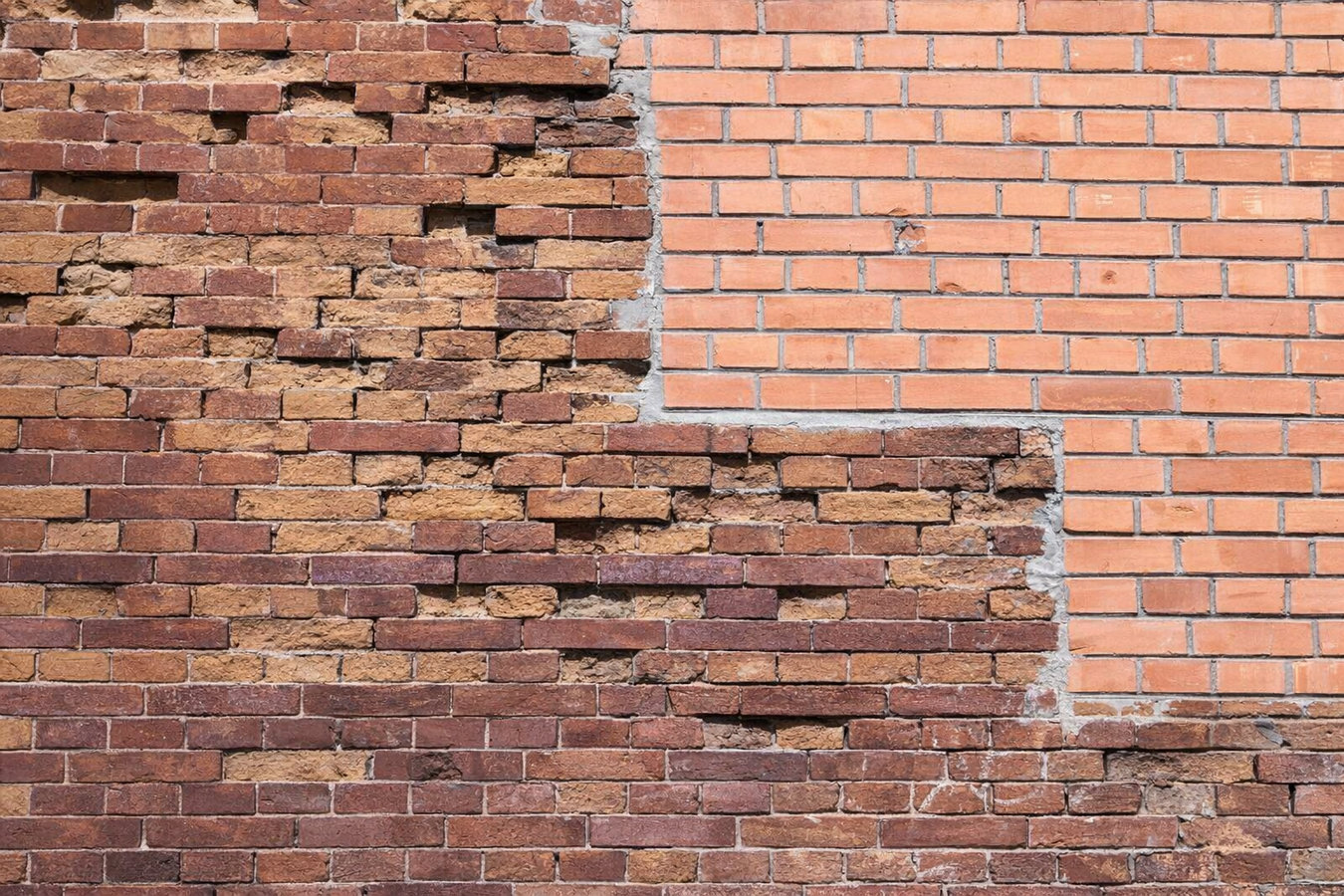
Crumbling mortar, storm cracks, and stained brick are signs your masonry needs attention now - before water gets inside and the cost grows. We restore brick and block structures across southwest Louisiana.
Masonry restoration in Lake Charles means repairing, cleaning, and stabilizing brick, stone, or concrete block that has been damaged by weather, moisture, or age - filling cracks, replacing crumbled mortar, patching spalled surfaces, and sealing walls to stop further water intrusion. Most targeted repair jobs take one to two days; larger projects can run a week or more.
In a city that receives over 55 inches of rain per year and sits on expansive clay soil, masonry takes more punishment than in most parts of the country. Moisture works through every small crack, and the heat-humidity cycle breaks mortar bonds faster than national averages suggest. If your home also went through the 2020 hurricane season, there may be damage that has not fully shown itself yet.
Restoration is also the right time to address related issues. Many projects include tuckpointing to reseal mortar joints throughout the wall - not just the sections that are visibly failing - so the repair holds for decades rather than years.
Run your finger along the joints between bricks on your chimney, exterior wall, or foundation. If mortar crumbles away easily or has visible gaps, it is no longer doing its job. In Lake Charles's wet climate, open joints are an open door for water to get inside the wall and cause far more damage.
New cracks that appeared after Hurricane Laura, Delta, or any major rain event should not be dismissed as cosmetic. Storm-related cracks often mean water got inside and the structure shifted - and on Lake Charles's clay soil, that shifting can continue long after the storm passes.
Those white streaks or powdery patches are called efflorescence - the salt left behind when water moves through brick and evaporates on the surface. It is a reliable sign that moisture is traveling through your masonry. In a city that gets over 55 inches of rain a year, that is a problem worth addressing promptly.
When the outer face of a brick starts to chip or peel away in thin layers, repeated heat and moisture cycles have broken down the surface. Once the outer face is gone, the brick absorbs water even faster and the damage accelerates. Catching this early prevents replacement of entire sections.
Our masonry restoration work covers the full range of what brick and block structures need after years of southwest Louisiana weather. The starting point is always an honest assessment - we look at the wall, the soil conditions, and the water management around your home before recommending a scope. When mortar joints are the primary issue, we handle tuckpointing to remove damaged mortar and pack in fresh material that bonds correctly with your existing brick.
For homes with more extensive damage - spalled brick faces, storm cracks, or walls where moisture has been working for years - we replace individual bricks, patch surfaces, and apply breathable sealants designed for this climate. Interior fireplaces and chimneys that have absorbed years of heat and humidity are a common part of our restoration scope, and when the work calls for it we coordinate fireplace installation or rebuild as part of the same project. Every job is documented so you have a clear record for insurance or resale purposes.
Best for walls, chimneys, and foundations where mortar has crumbled or gapped but the brick itself is still structurally sound.
Suited to homes where individual bricks have cracked, spalled, or been physically displaced by storm impact or settlement.
Ideal for walls showing white staining and moisture movement, where cleaning and a breathable sealant will stop further water intrusion.
For Lake Charles homes that sustained visible or hidden masonry damage during major weather events and need a thorough structural assessment.
Lake Charles sits in one of the most active hurricane corridors in the country. The city took direct hits from both Hurricane Laura and Hurricane Delta in 2020, and many homes still carry damage that was not fully addressed in the post-storm repair rush. High winds, flying debris, and storm surge crack brick, dislodge mortar, and saturate masonry walls in ways that do not always show up immediately - which means a wall that looked fine after the storm can start failing two or three years later. The city's expansive clay soil adds another layer of stress, shifting with every wet and dry cycle and putting pressure on every masonry structure from the ground up.
We work throughout the region, including Sulphur and Westlake, and we understand the housing stock across Calcasieu Parish. Many of Lake Charles's established neighborhoods feature homes built in the mid-20th century or earlier, with softer, more porous brick that requires a gentler mortar mix during restoration. Using the wrong mortar on older brick is a common mistake that causes the brick face to pop off - so the age of your home matters when choosing a masonry company.
We respond within 1 business day. We ask a few basic questions about what you are seeing - cracks, staining, crumbling mortar - and schedule a free on-site visit at a time that works for you.
We walk the work area with you, point out what we are finding, and explain what needs to be done and why. You receive a written estimate that breaks down the work clearly - not just a single number. In Lake Charles, we also check for soil movement and water intrusion that could affect how the repair is done.
We remove damaged mortar or cracked brick sections before any new material goes in - this step takes time and makes noise, and that is normal. New mortar is packed into joints and shaped to match the original profile. If bricks are being replaced, we work to match color and texture as closely as possible.
The crew cleans up the site before leaving. Walk the finished work with your contractor and ask them to point out anything to monitor. Fresh mortar needs 24 to 48 hours before it gets wet, and your contractor will advise on a breathable sealant if the climate calls for it.
Free on-site assessment. Written estimate. No pressure - just a straight answer about what your home needs.
(337) 549-5482Older Lake Charles homes need softer, more compatible mortar during restoration. Using the wrong mix - one that is harder than the existing brick - causes the brick face to crack and pop off. We select mortar formulations based on the age and hardness of your specific brick, not a one-size approach.
We have assessed and restored masonry on Lake Charles homes following the 2020 hurricane season and subsequent weather events. We know how to identify hidden damage - cracks behind paint, moisture trapped inside walls, shifted joints - that a general contractor would miss on a quick walk-around.
Every job includes a written scope, before-and-after records, and permit documentation where required. In Lake Charles's post-storm real estate market, having clear paperwork showing that masonry work was done correctly protects the value of your home and reduces friction at sale or during an insurance claim.
Louisiana requires masonry contractors to hold a current state license. You can verify our credentials through the Louisiana State Licensing Board for Contractors. Hiring a licensed contractor gives you a formal channel for accountability if anything is not right.
These credentials are not just checkboxes - they reflect how we approach every job. When the materials match your home, the paperwork is in order, and the contractor knows the local conditions, restoration work holds up far longer and causes far fewer surprises down the road.
Restore or add a masonry fireplace with the same craftsmanship we bring to every restoration project.
Learn MoreWhen mortar joints are the main issue, targeted tuckpointing extends the life of your brick without a full restoration scope.
Learn MoreWith hurricane season a recurring reality in Lake Charles, now is the right time to make sure your brick and mortar are solid - call or submit a request today.